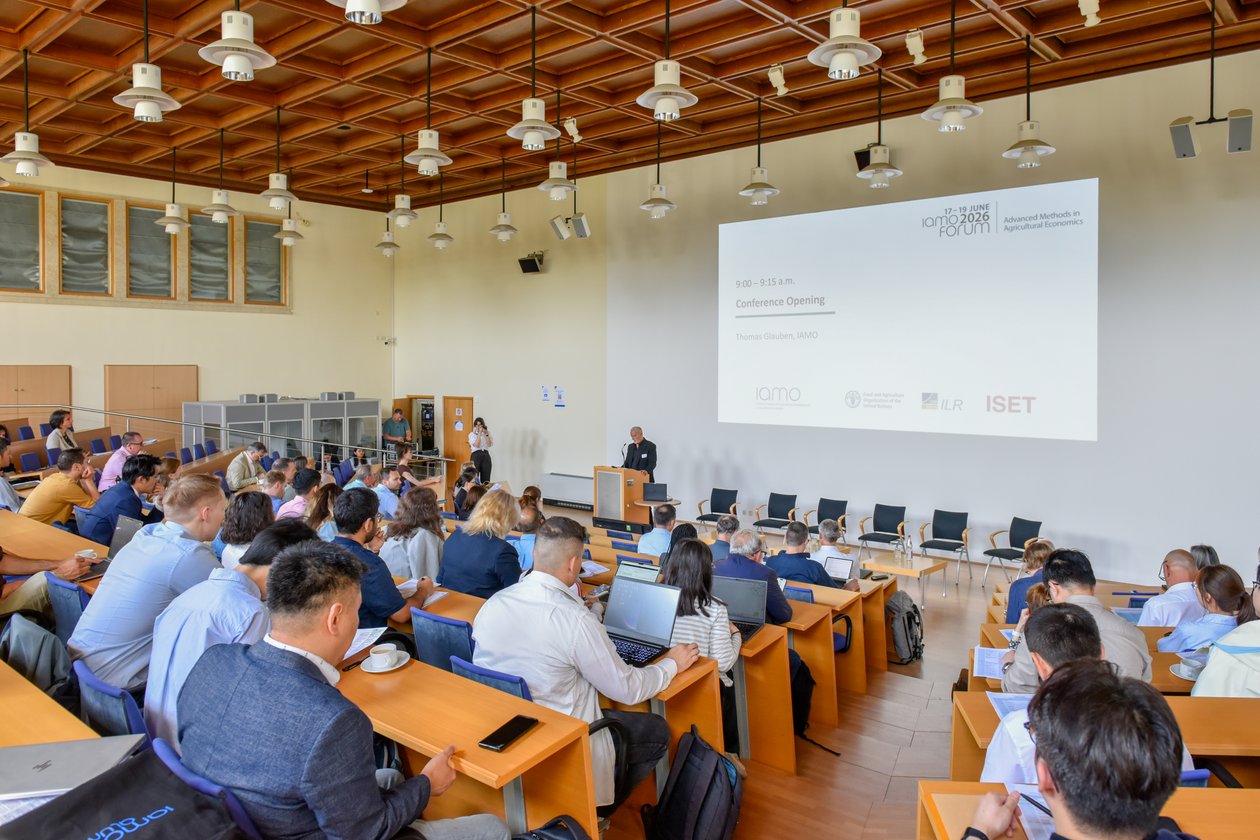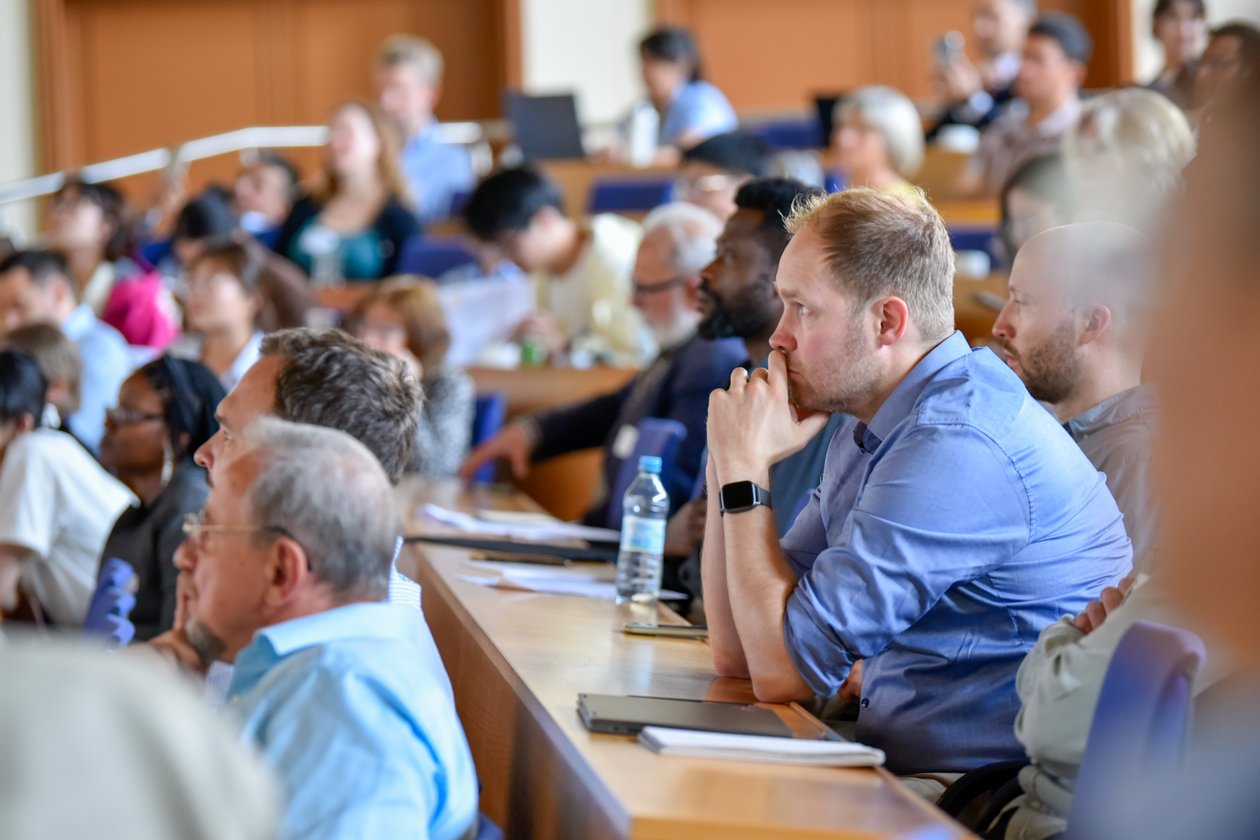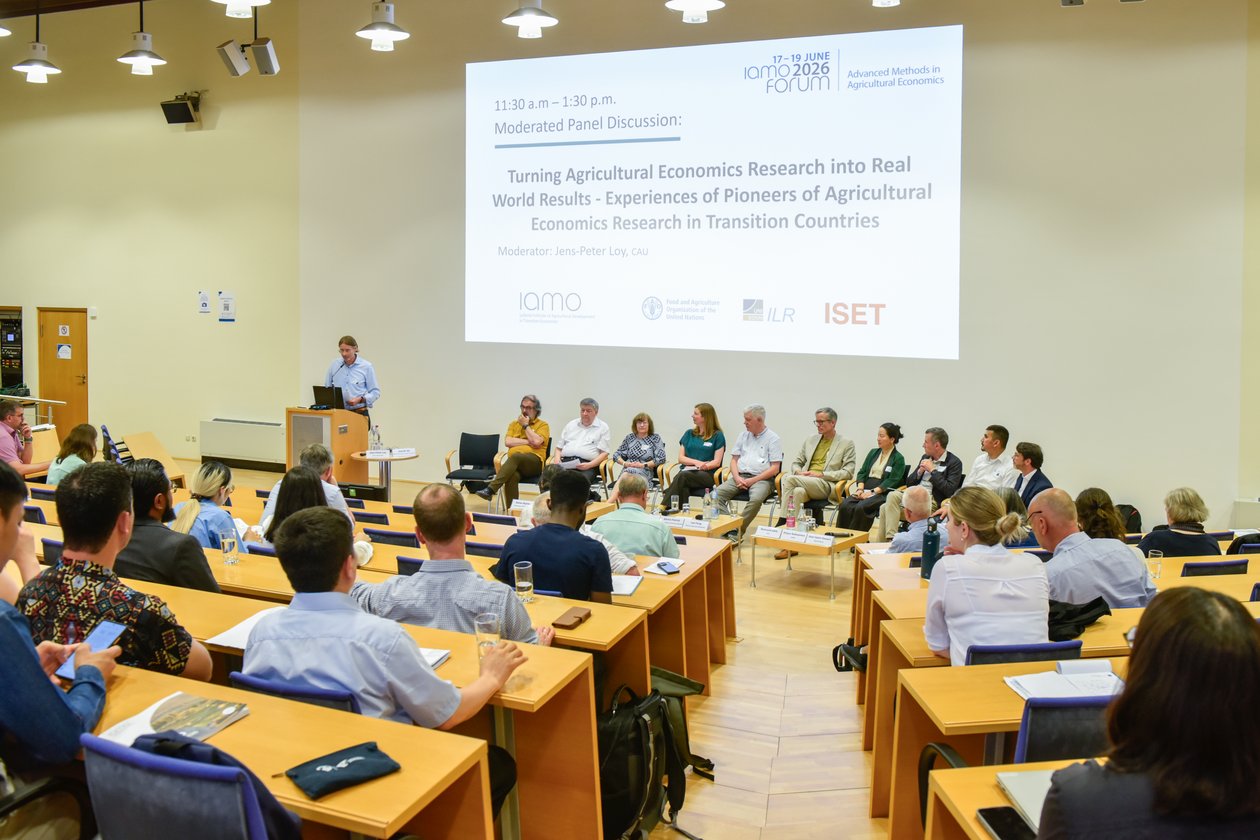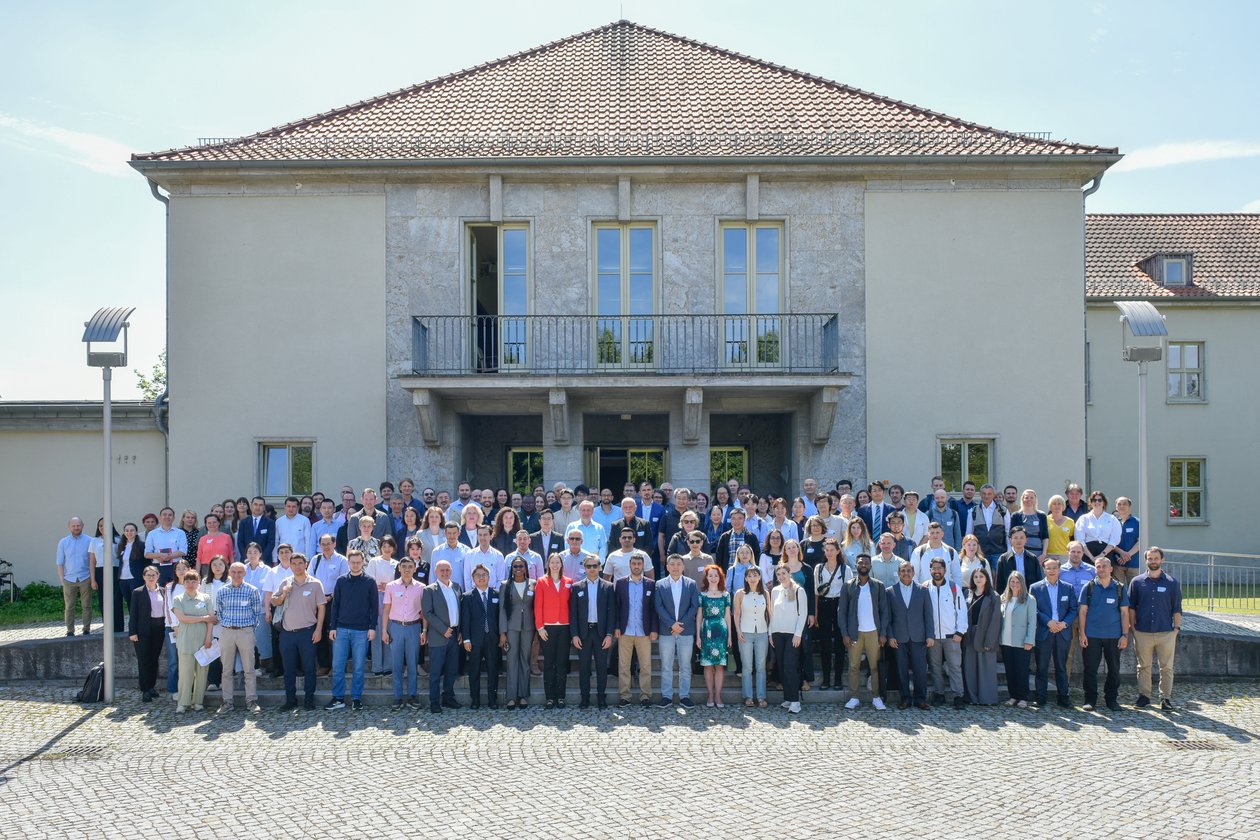

From June 17 to 19, 2026, the prestigious IAMO Forum 2026 took place in Halle, Germany. This international conference focused on advanced research methods and their application in studying contemporary economic, environmental, and social aspects of agriculture, food systems, and rural development. The event was co-organized by: Leibniz Institute of Agricultural Development in Transition Economies (IAMO), Food and Agriculture Organization of the United Nations (FAO), Institute for Food and Resource Economics at the University of Bonn (ILR), International School of Economics at TSU (ISET).
This year's edition was themed „Cultivating Methodological Fields, Harvesting Real-World Solutions: Advanced Methods in Agricultural Economics." The program focused on novel approaches that contribute to a deeper understanding of how agri-food systems function and provide a solid foundation for decision-making in agricultural policy and sustainable development.
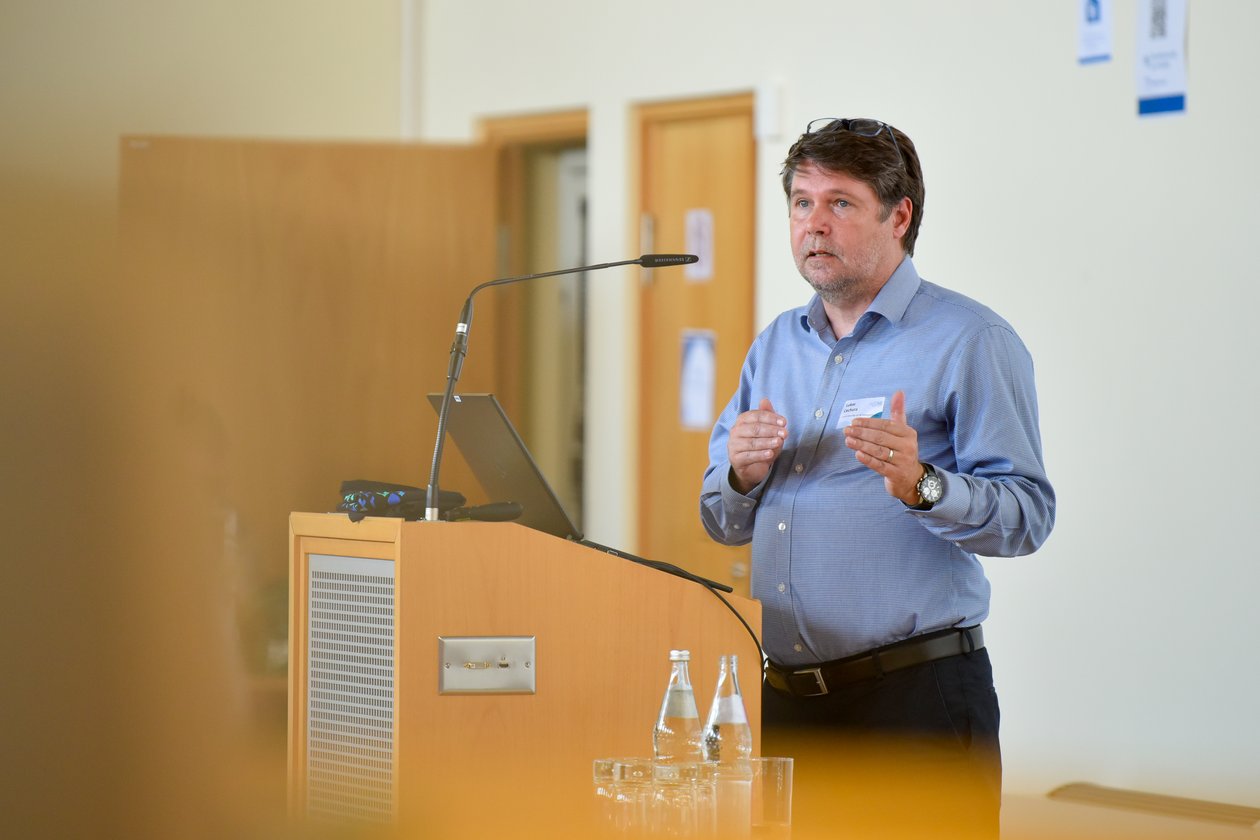
The scientific program featured a plenary session, thematic expert sessions, and discussions centered on current research trends in agricultural economics. Among the invited keynote speakers was the Dean of the Faculty of Economics and Management (FEM CZU), Prof. Ing. Lukáš Čechura, Ph.D. In his lecture, titled „A Proxy-Variable Input Distance Function for Multi-Output Production: Evidence on Fertilizer and Pesticide Reduction in EU Agriculture" he presented a new methodological approach that enables the analysis of the relationship between the intensity of fertilizer and pesticide use, productivity, and the economic viability of agricultural enterprises. The presented framework expands the capabilities for evaluating multi-product production systems while addressing the issue of input endogeneity, which frequently complicates economic analyses of agricultural production. Using data from European grain farms, the study introduced new insights into productivity dynamics, the significance of capacity constraints, and the impacts of reducing agrochemical inputs on production performance. The lecture highlighted the vital role of advanced quantitative methods in assessing agricultural sustainability and formulating effective agricultural policies at the European Union level.
The participation of the Dean of FEM CZU among the invited speakers confirms the faculty's academic renown and the quality of its research in agricultural economics. It perfectly aligns with the faculty's strategic ambition to build its position on high-quality scientific work, international cooperation, and the support of talented academic staff. Indeed, internationally recognized results and active participation in expert debates represent the key path to further strengthening the prestige and influence of FEM CZU within both the European and global academic community.