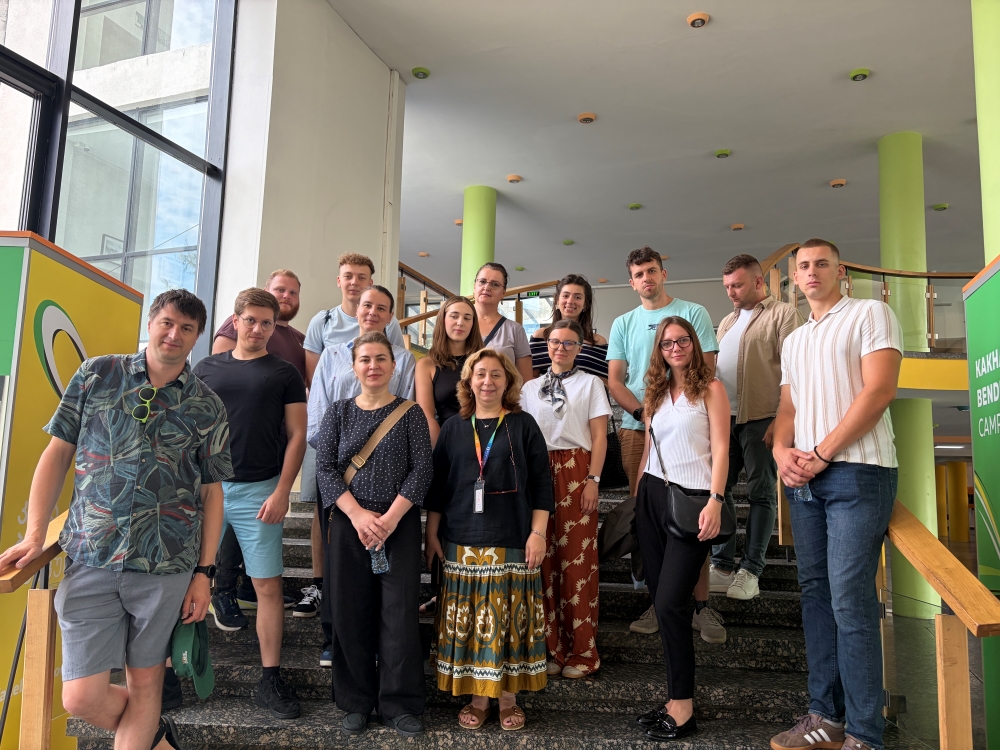

From July 6 to 17, 2026, students from the Faculty of Economics and Management (FEM CZU) participated in the TeachAVC 2026 international summer school, hosted by the Agricultural University of Georgia in Tbilisi. Over twelve intensive days, together with students from partner universities, they focused on analyzing the value chain of malting barley and beer—from field to final consumer.
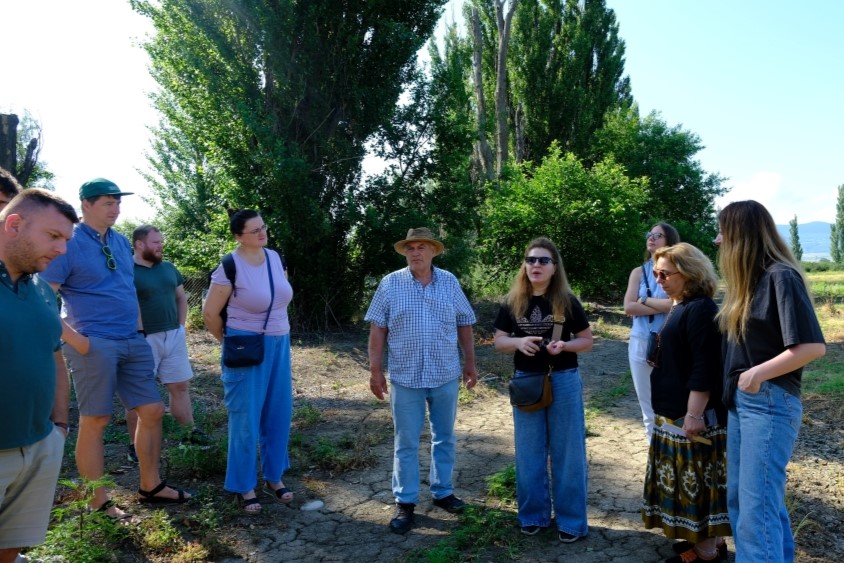
The programme combined economic analysis, field research, and exploration of the local agri-food sector. Students gained hands-on experience in functional and economic value chain analysis, designing research tools including questionnaires, conducting focus groups, and interviewing market stakeholders directly in the field.
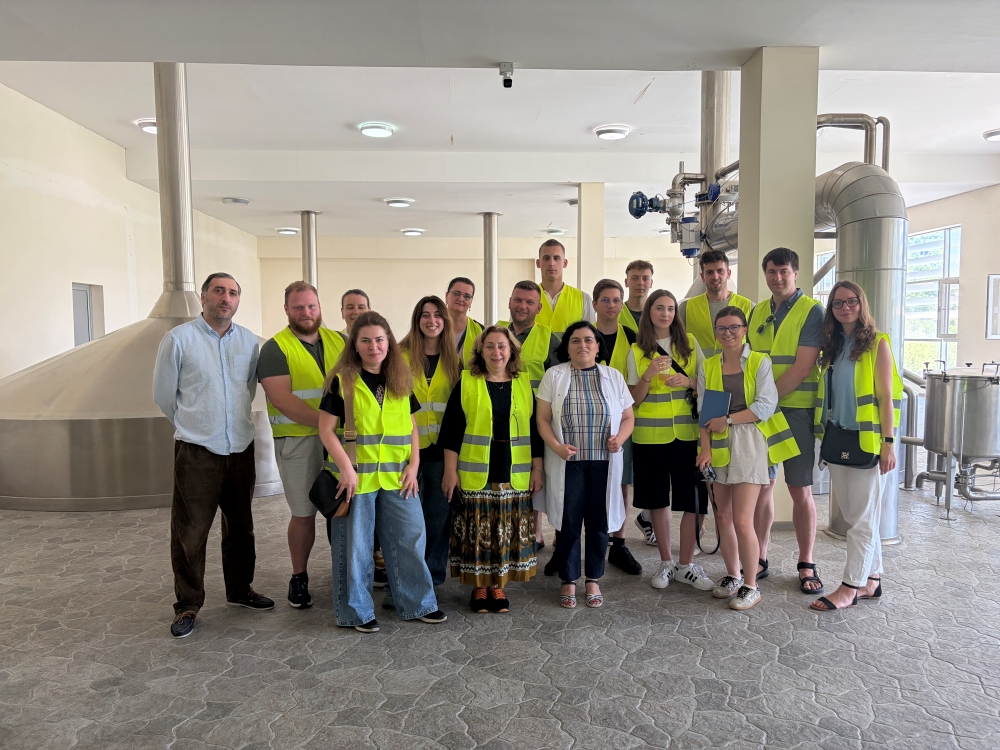
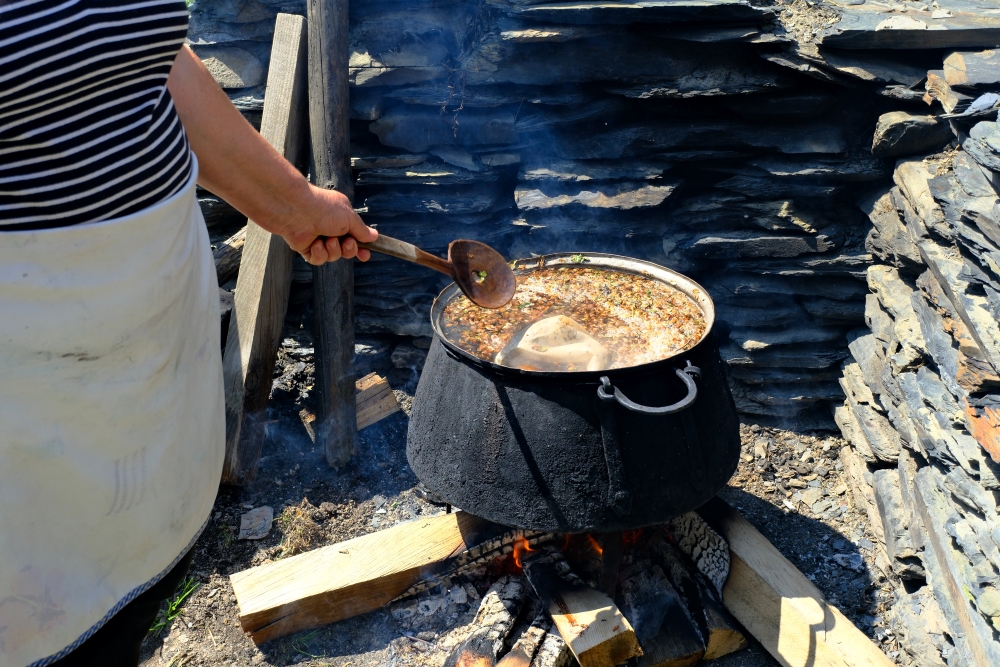
The itinerary included a visit to the Agricultural Research Center, which specializes in propagating indigenous barley varieties cultivated in Georgia for thousands of years. Students also visited the Georgian Beer Company and the Efes brewery to learn about beer production and local brewing specifics. PhDr. Ing. Tomáš Maier, Ph.D. delivered lectures on the Georgian beer market and sensory analysis of beer. The programme was complemented by excursions to historical Mtskheta, the Jvari Monastery, the Kakheti wine region, and the mountainous region of Tusheti.
The academic portion of the programme culminated in processing the collected data, creating value chain diagrams, preparing economic accounts for individual stakeholders, and presenting final results to international teams.
Participating in the summer school provided students with valuable experience in international collaboration, field research, and the practical application of economic methods. Beyond professional knowledge, they gained new connections and a deeper understanding of how agri-food value chains operate within a different economic and cultural environment.
The summer school was organized in collaboration with the Agricultural University of Georgia, Poznań University of Life Sciences, University of Banja Luka, ISTOM Angers with Czech University of Life Sciences Prague. The project was funded by the Erasmus+ programme.