
Cocoa, a product of tropical agriculture, has significant cultural, social, and economic importance. It originates from the cocoa tree (Theobroma cacao L.), a tropical tree native to Latin America. Its fruit is the cocoa pod, which contains cocoa beans surrounded by sweet-and-sour pulp. It is precisely from fermented and dried cocoa beans that cocoa, as a raw material for chocolate production, is obtained.
The cultivation of cocoa trees represents the primary source of livelihood for millions of people in tropical America, Africa, and Asia. More than 85% of global cocoa bean production comes from smallholder farmers cultivating small plots of land (Farmforce, 2024). Latin America, the cradle of cocoa, accounts for approximately 20% of global production, corresponding to about one million tons of cocoa beans per year (FAO, 2024; Charry et al., 2025; Spencer-Jolliffe, 2025).
However, the journey of cocoa from the harvest of the cocoa pod to the final chocolate product is complex and burdened by several structural problems. In many producing countries, cocoa bean trade occurs through informal purchasing networks, often without contracts, systematic records, or price transparency. This situation increases the risk of trust abuse, deepens producers' economic vulnerability, and limits their bargaining position (Farmforce, 2024).
At the same time, pressure from buyers for consistent cocoa quality is increasing. However, functional systems for quality monitoring and traceability are usually lacking in the early stages of the value chain. Farmers, therefore, often receive only a small share of the final product value—approximately 42% of small-scale cocoa producers in Latin America live at or below the poverty line (Solidaridad, 2023; Ruiz, 2024). Timely quality control and information sharing could significantly contribute to a fairer distribution of value.
Another weakness of the cocoa value chain is the low utilisation of the cocoa fruit itself. Up to 70–80% of the weight of the cocoa pod, especially the husk and part of the pulp, ends up as waste. The pulp itself accounts for approximately 10% of the fruit and represents a valuable source of nutrients as well as a potential raw material for further processing (Viteri Salazar et al., 2023). Unused waste burdens the environment and, at the same time, represents a missed opportunity for farmers to earn additional income. Options for its valorisation include the production of cocoa juice, compost, biochar, or construction materials.
These shortcomings contribute to broader social and environmental risks, including poverty, child labour, deforestation, and ecosystem degradation, which in the long term affect millions of cocoa growers (El Hachem, 2024; Kim & Walker, 2024).
The Cacao-Tech Project: Digital Innovation in a Traditional Sector
These challenges are addressed by the Cacao-Tech project, funded by the European Commission under the DRG4FOOD program. The project was created through cooperation between the Faculty of Economics and Management of the Czech University of Life Sciences Prague, Wageningen Research, and the company Pacha de Cacao B.V. The research is led by Mgr. Jana Kholová, PhD, doc. Ing. Jan Jarolímek, PhD, doc. Ing. Jan Masner, Ph.D., and doc. Ing. Michal Stočes, PhD, with the active participation of students Ekaterina Kuzmina, Vítek Pospíšil, and Ing. Jakub Vašák.
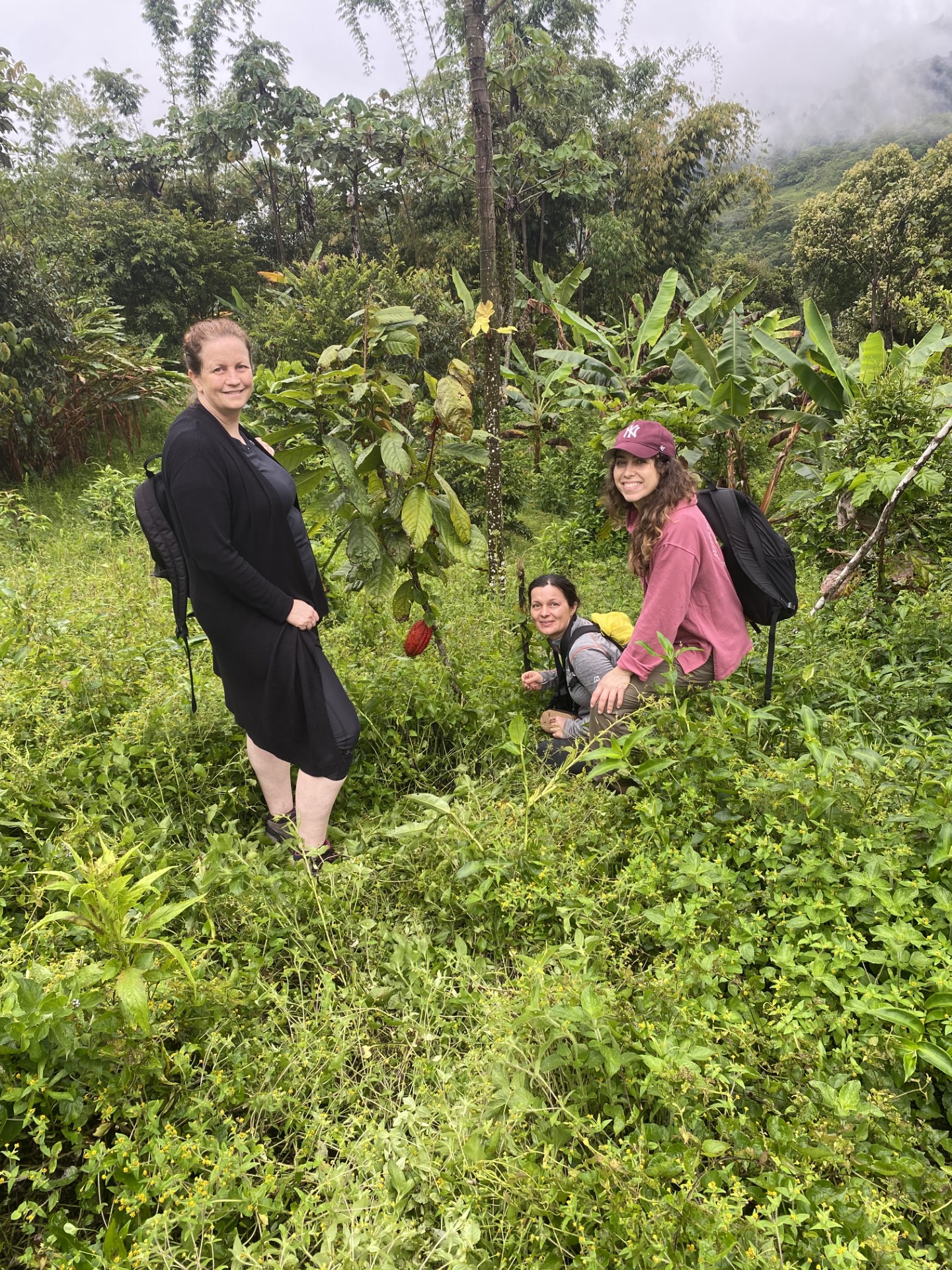
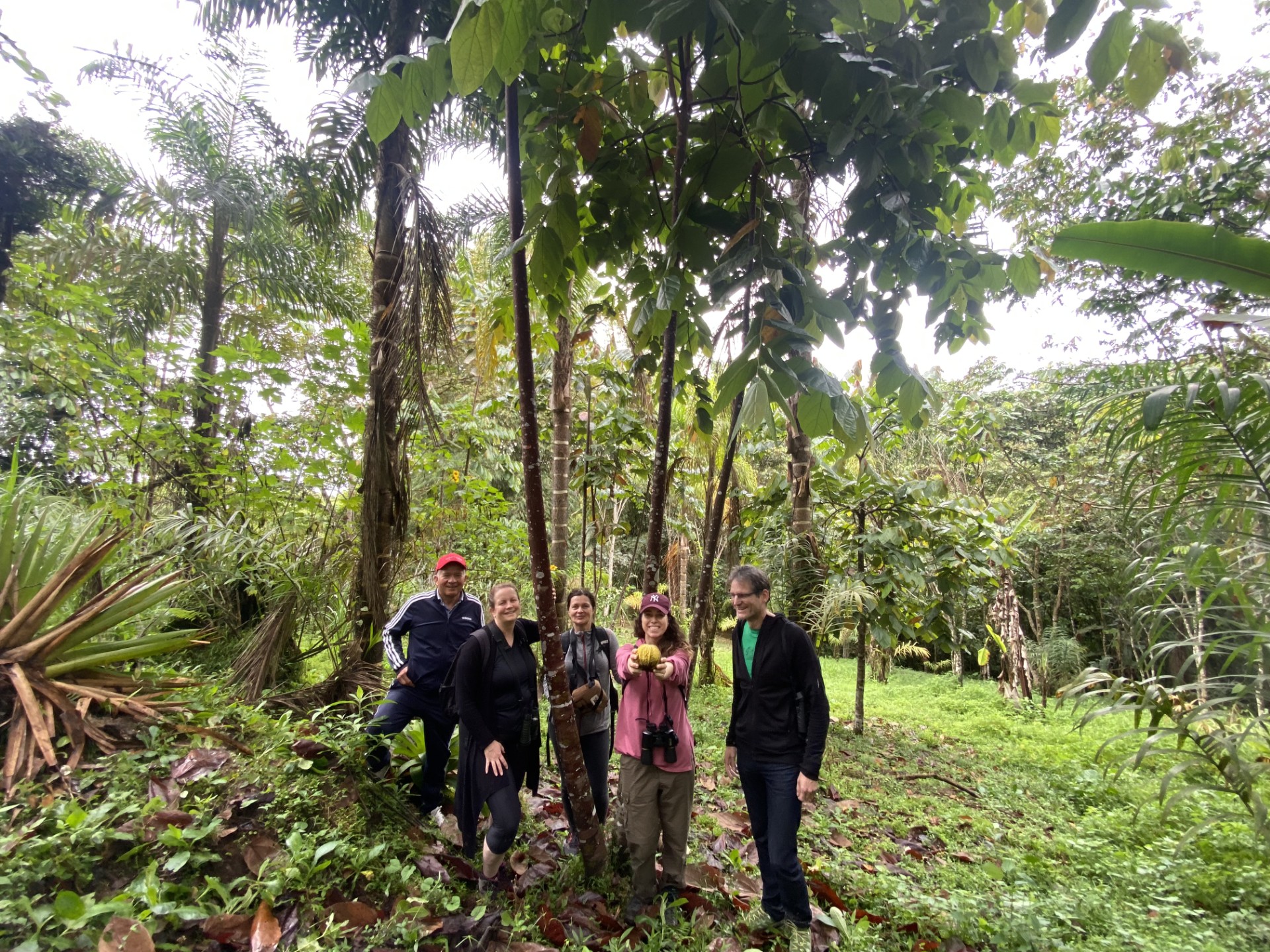
In cooperation with local farmers and actors in the cocoa industry, the research team mapped the so-called “journey of cocoa” during repeated field surveys in Ecuador. Based on the findings, digital tools were designed and tested to enable the evaluation of cocoa bean quality directly at the point of purchase and to share this information across the entire value chain. An integral part of the solution is the consistent implementation of data ethics principles, including GDPR, FAIR, and DRG.
The key components of the system include:
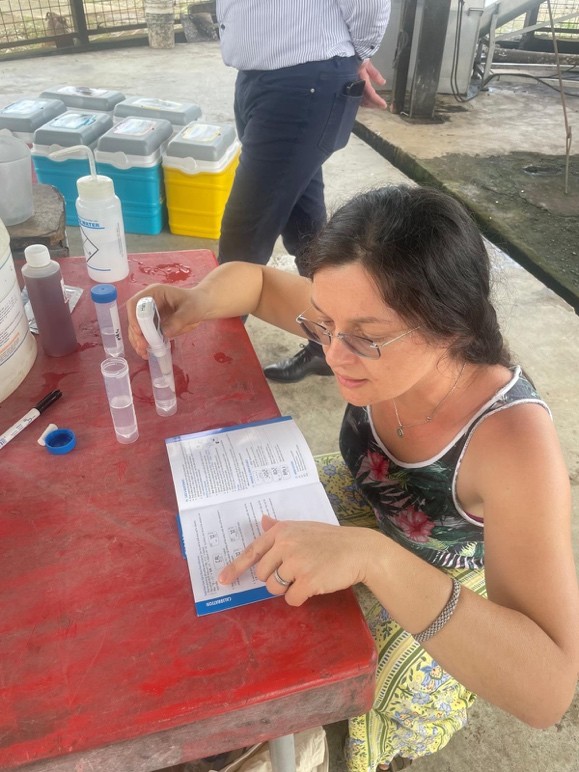
- A portable NIR (near-infrared) tool enabling rapid and non-invasive assessment of cocoa bean quality directly in the field, without the need for laboratory facilities.
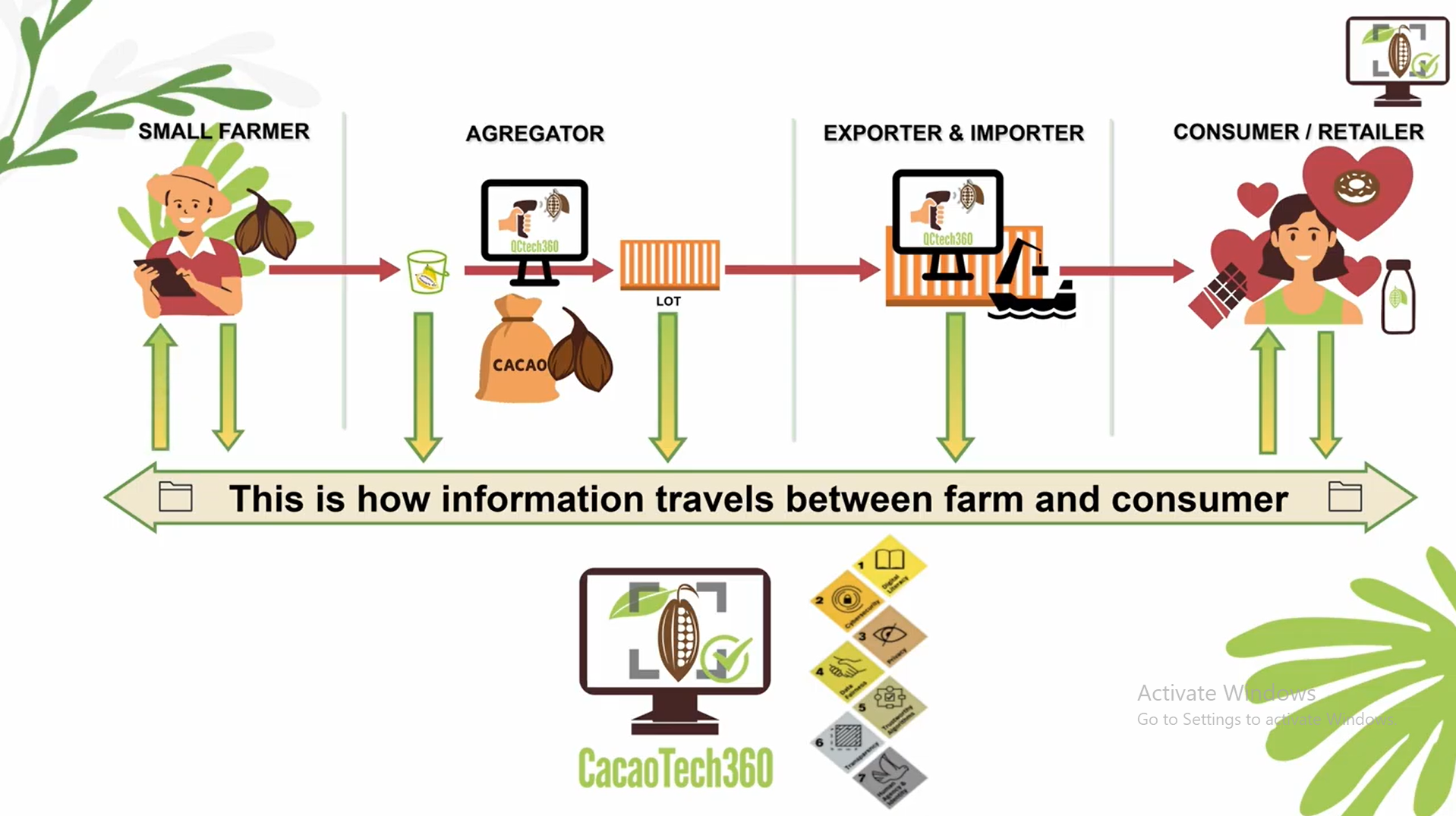
- A digital traceability system that connects farmers, buyers, processors, and other actors in the chain and ensures a transparent flow of information in line with current and forthcoming EU requirements, such as the EUDR regulation or the Digital Product Passport concept.
- A mobile central processing unit focused on the valorisation of cocoa fruit by-products, especially pulp and husk, to create new sources of income for farmers.
In the cocoa industry, the Cacao-Tech project is innovative because it links cocoa quality control at the farm level with digital traceability that meets current and future regulatory requirements (Sadler & Sternlicht, 2024). At the same time, it enables more efficient use of the cocoa fruit and strengthens the economic position of small-scale producers.
The products of this value chain—from cocoa beans through chocolate to cocoa juice—are destined for global markets. Thanks to information about the origin of raw materials, consumers can symbolically connect with the farmer whose produce they are consuming. The journey of cocoa thus becomes a story of the transformation of a traditional sector toward a more sustainable and fairer system.
Reference
- EL HACHEM, Wissam. Inequity: the guilty and not-so-hidden side of cocoa supply chains. In: emlyon business school [online]. 2024 [cit. 2026-01-22]. Available at: https://knowledge.em-lyon.com/en/inequity-the-guilty-and-not-so-hidden-side-of-cocoa-supply-chains/
- FAO. Production volume of cocoa beans in Latin America in 2023, by country (in metric tons): chart [online]. In: Statista. New York: Statista, 2024 [cit. 2026-01-26]. Available at: https://www.statista.com/statistics/1475504/cocoa-beans-production-volume-by-country-in-latin-america/
- FARMFORCE. The rise of Latin America in the global cocoa market: opportunities and challenges. In: Farmforce [online]. 2024 [cit. 2026-01-22]. Available at: https://farmforce.com/articles/the-rise-of-latin-america-in-the-global-cocoa-market-opportunities-and-challenges/
- CHARRY, Andrés; PEREA, Carolay; RAMÍREZ, Karen; ZAMBRANO, Guillermo; YOVERA, Fredy; SANTOS, Adriana; JIMÉNEZ, Tito; ROMERO, Miguel; LUNDY, Mark; QUINTERO, Marcela; and PULLEMAN, Mirjam. The bittersweet economics of different cacao production systems in Colombia, Ecuador and Peru. Agricultural Systems [online]. 2025 [cit. 2026-01-22]. DOI: 10.1016/j.agsy.2024.104235. Available at: https://doi.org/10.1016/j.agsy.2024.104235
- KIM, Su Hyun; and WALKER, Neil. Latin America’s future value chains smell like chocolate. In: IDB Invest [online]. 2024 [cit. 2026-01-22]. Available at: https://idbinvest.org/en/blog/development-impact/latin-america-future-value-chains-smells-chocolate
- RUIZ, Layla Zaglul. Adding value to coffee and cacao in Latin America [online]. Canning House Research Forum. 2024 [cit. 2026-01-22]. Available at: https://www.canninghouse.org/storage/uploads/resources/lse-research-forum/07-2024-report/Adding_value_to_coffee_and_cacao_in_Latin_America_olgtl.pdf
- SADLER, Amelia; and STERNLICHT, David. Back to its roots: the future of chocolate lies in Latin America. In: Ethic [online]. 2024 [cit. 2026-01-22]. Available at: https://www.ethic.com/insights/back-to-its-roots-the-future-of-chocolate-lies-in-latin-america
- SOLIDARIDAD. Are cocoa farmers achieving a living income in Latin America? In: Solidaridad Network [online]. 2023 [cit. 2026-01-22]. Available at: https://www.solidaridadnetwork.org/publications/are-cocoa-farmers-achieving-a-living-income-in-latin-america/
- SPENCER-JOLLIFFE, Natasha. Latin America and Asia emerge as bright spots for cocoa supply in 2025. In: ConfectioneryNews [online]. 2025 [cit. 2026-01-22]. Available at: https://www.confectionerynews.com/Article/2025/05/09/cocoa-supply-chains-shift-why-latin-america-and-asia-are-key-to-stabilising-global-chocolate-production/
- VITERI SALAZAR, Oswaldo; LATORRE, Sara; ZAMBRANO GODOY, Michael; and QUELAL-VÁSCONEZ, Maribel Alexandra. The challenges of a sustainable cocoa value chain: A study of traditional and “fine or flavour” cocoa produced by the Kichwas in the Ecuadorian Amazon region. Journal of Rural Studies [online]. 2023 [cit. 2026-01-22]. DOI: 10.1016/j.jrurstud.2023.01.015. Available at: https://doi.org/10.1016/j.jrurstud.2023.01.015