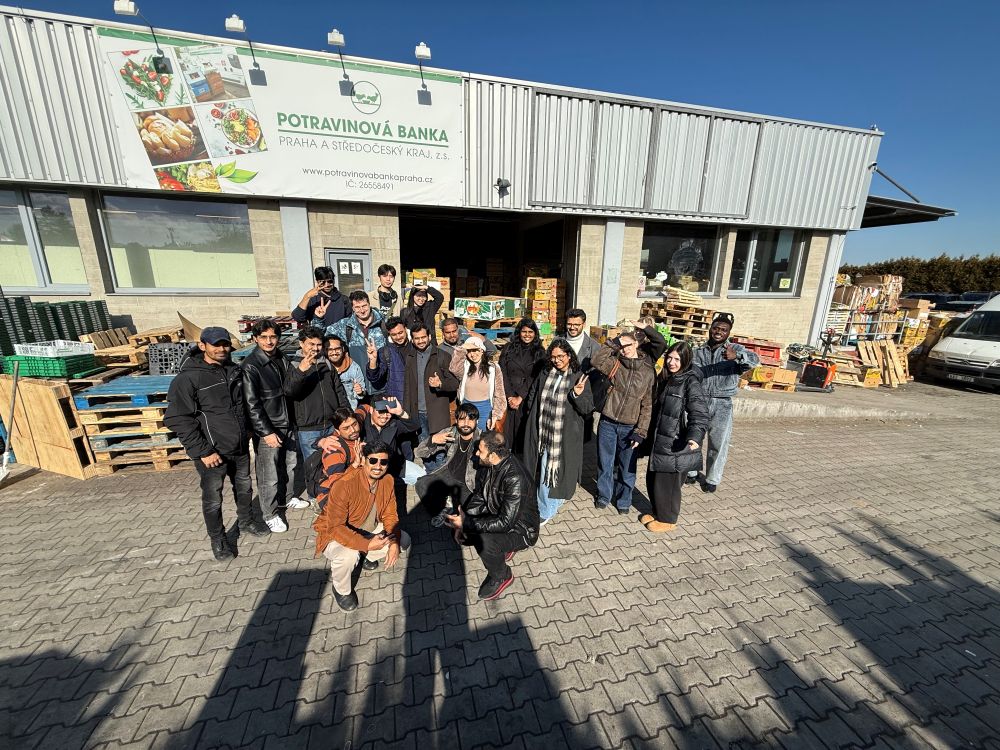

Students from the Faculty of Economics and Management at the Czech University of Life Sciences Prague became actively involved in activities supporting the fight against food waste and helping people in need as part of a course focused on Social and Solidarity Economy. The course included a visit to the Food Bank for Prague and the Central Bohemian Region in Líbeznice, where students had the opportunity to learn how food rescue and redistribution systems operate in practice.
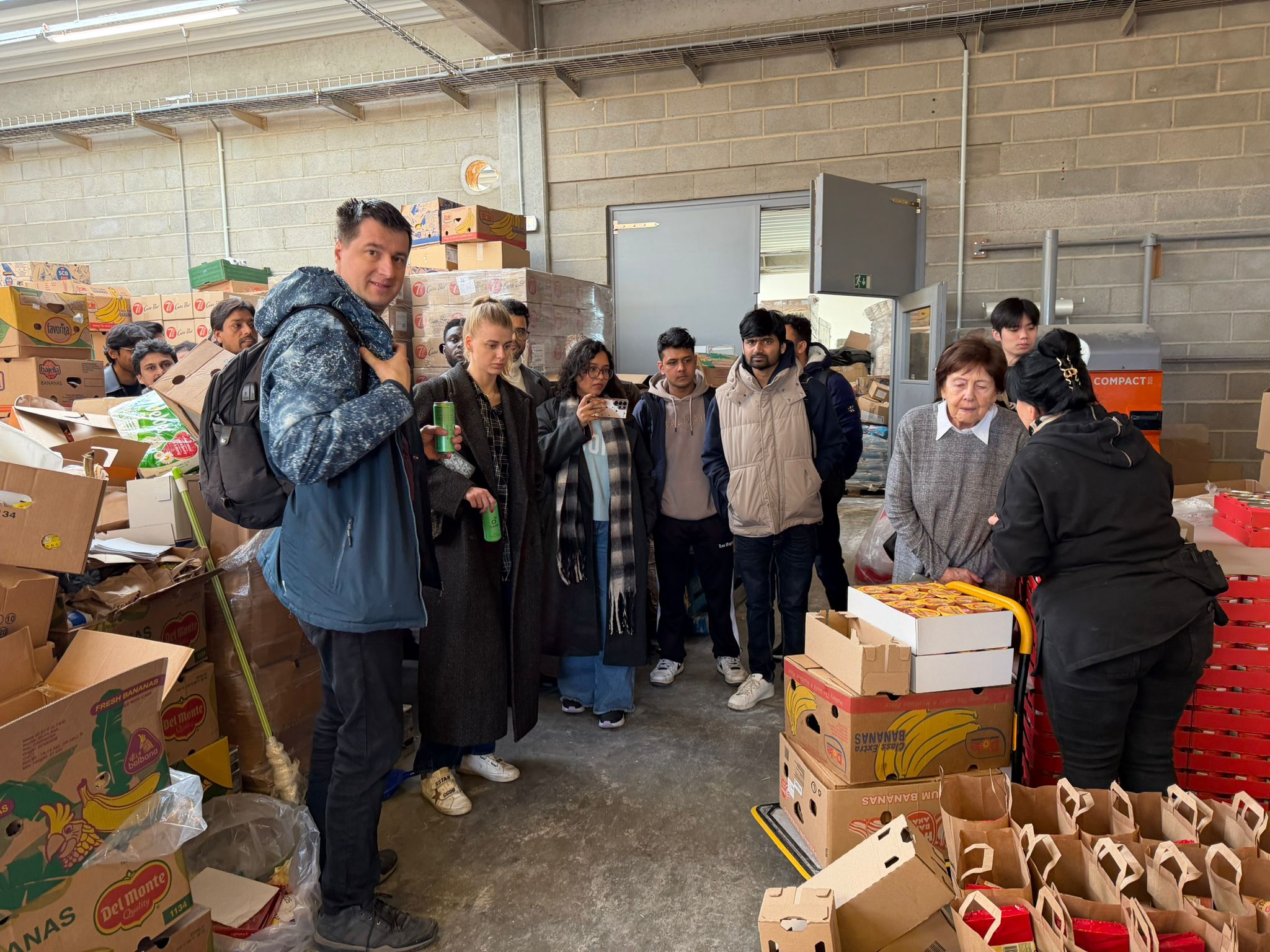
During the visit, students gained insight into the important role food banks play in the Czech Republic. The Food Bank for Prague and the Central Bohemian Region rescues approximately 4,000 tons of food every year from producers and retail chains and regularly provides assistance to tens of thousands of people each week. The excursion offered students not only a deeper understanding of food waste issues, but also a practical example of solidarity and social responsibility in action.
The programme also included volunteer work directly at the food bank. A group of thirty students managed to prepare food packages for approximately 800 clients in just ninety minutes. This hands-on experience allowed students to better understand both the challenges and the importance of organisations that support people facing difficult life situations.
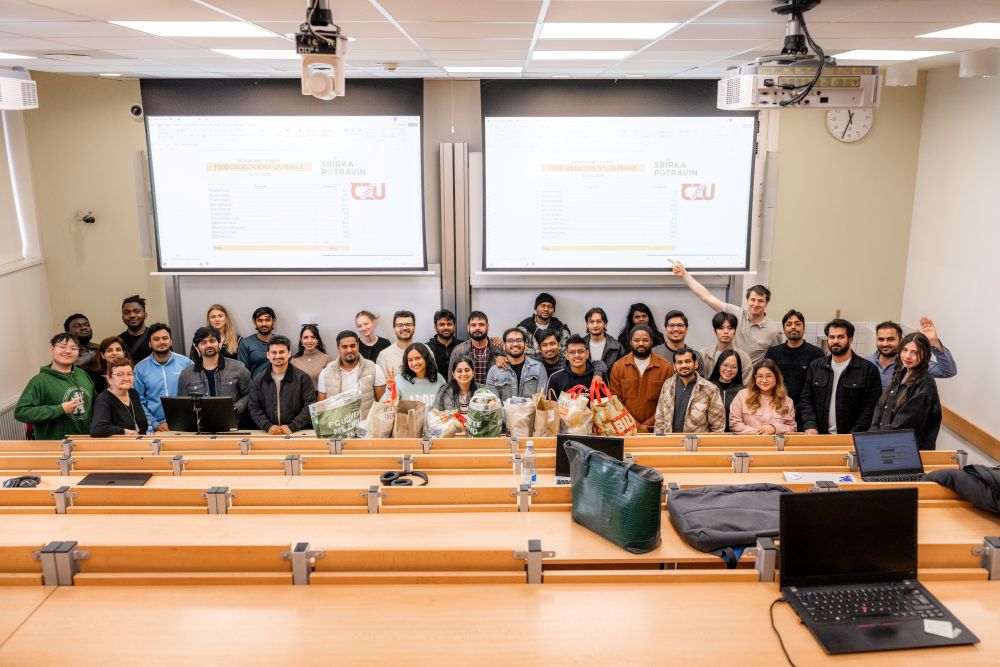
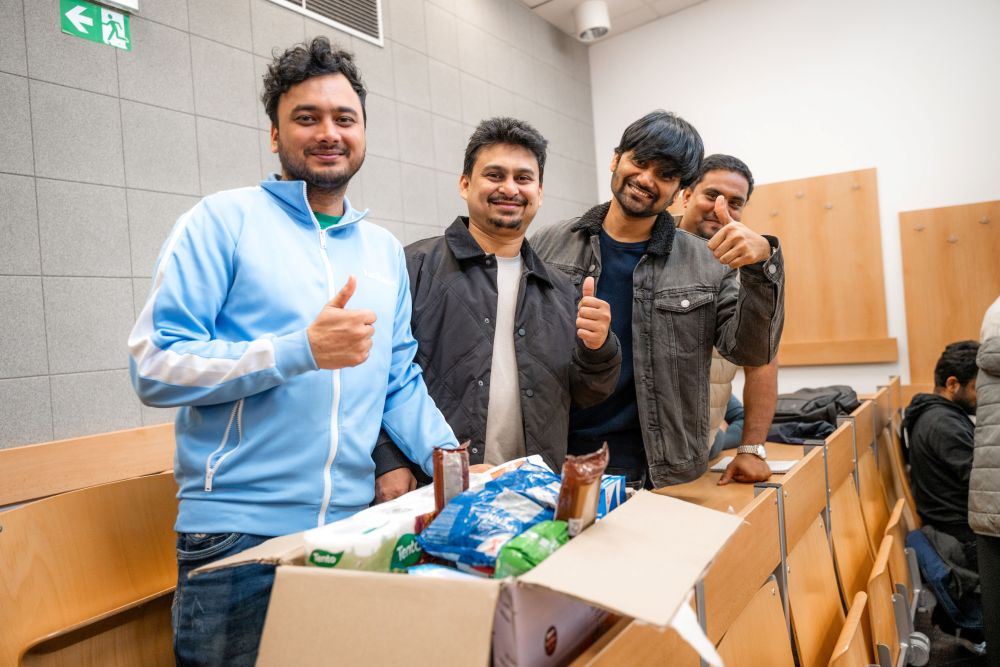
The visit inspired the students to take further action. After returning from Líbeznice, participants organised own food collection campaign among classmates, friends, and colleagues at their workplaces. Their initial goal was to collect more than 60 kilograms of non-perishable food. However, the final result significantly exceeded expectations — within less than two weeks, the students collected a total of 161.8 kilograms of food.
The collected food was subsequently donated to the Food Bank for Prague and the Central Bohemian Region for further distribution to those in need. In doing so, the students nearly quadrupled last year’s result, when 44 kilograms of food were collected.
The project demonstrated that connecting academic learning with practical experience can lead not only to a better understanding of social challenges, but also to meaningful community engagement and tangible assistance for people in need.