
Cocoa is a tropical fruit inseparable from local culture and a source of income for a significant share of the population in tropical America, Africa, and Asia. Cocoa production is primarily carried out by smallholder farmers (over 85%). Latin America, the cradle of cocoa, accounts for approximately 20% of global production, equivalent to around 1 megatonne (1, 2, 3). However, few people consider the complex journey cocoa must undergo—from tropical plantations to our plates. This journey typically begins within traditional processing systems and continues through a fragmented market full of challenges.
In many producing countries, cocoa is still traded through informal networks without contracts, records, or price transparency, which increases the risk of trust abuse, deepens vulnerability, and threatens smallholder farmers (4). At the same time, pressure from buyers to ensure quality is increasing. In contrast, systems for quality monitoring and information traceability at the early stages of the value chain are almost non-existent. As a result, farmers often receive only a fraction of the final product value, considering that 42% of small-scale producers live at or below the poverty line (6; 7). The situation could be improved through timely quality control and the sharing of key information. Another weakness of the chain is the low level of fruit utilisation: up to 80% of the cocoa pod, including the pulp that constitutes around 10% of the fruit, ends up as waste, placing a burden on the environment and causing further losses of potential income (5). This waste, however, can be valorised, for example, into cocoa juice, charcoal, compost, or construction materials. These shortcomings in the value chain contribute to social risks, including poverty, child labour, deforestation, and environmental degradation, which affect millions of farmers (8 ; 9 ).
Cacao-Tech project, funded by the European Commission under the DRG4FOOD, programme, supported a joint initiative by experts from the Faculty of Economics and Management of the Czech University of Life Sciences Prague, Wageningen Research and Pacha de Cacao B.V., aiming to bridge these gaps. Mgr leads the research. Jana Kholová, PhD, Assoc. Prof. Ing. Jan Jarolímek, Ph.D., Assoc. Prof. Ing. Jan Masner, PhD, and Assoc. Prof. Ing. Michal Stočes, PhD, in collaboration with students Ekaterina Kuzmina, Vítek Pospíšil, and Ing. Jakub Vašák.
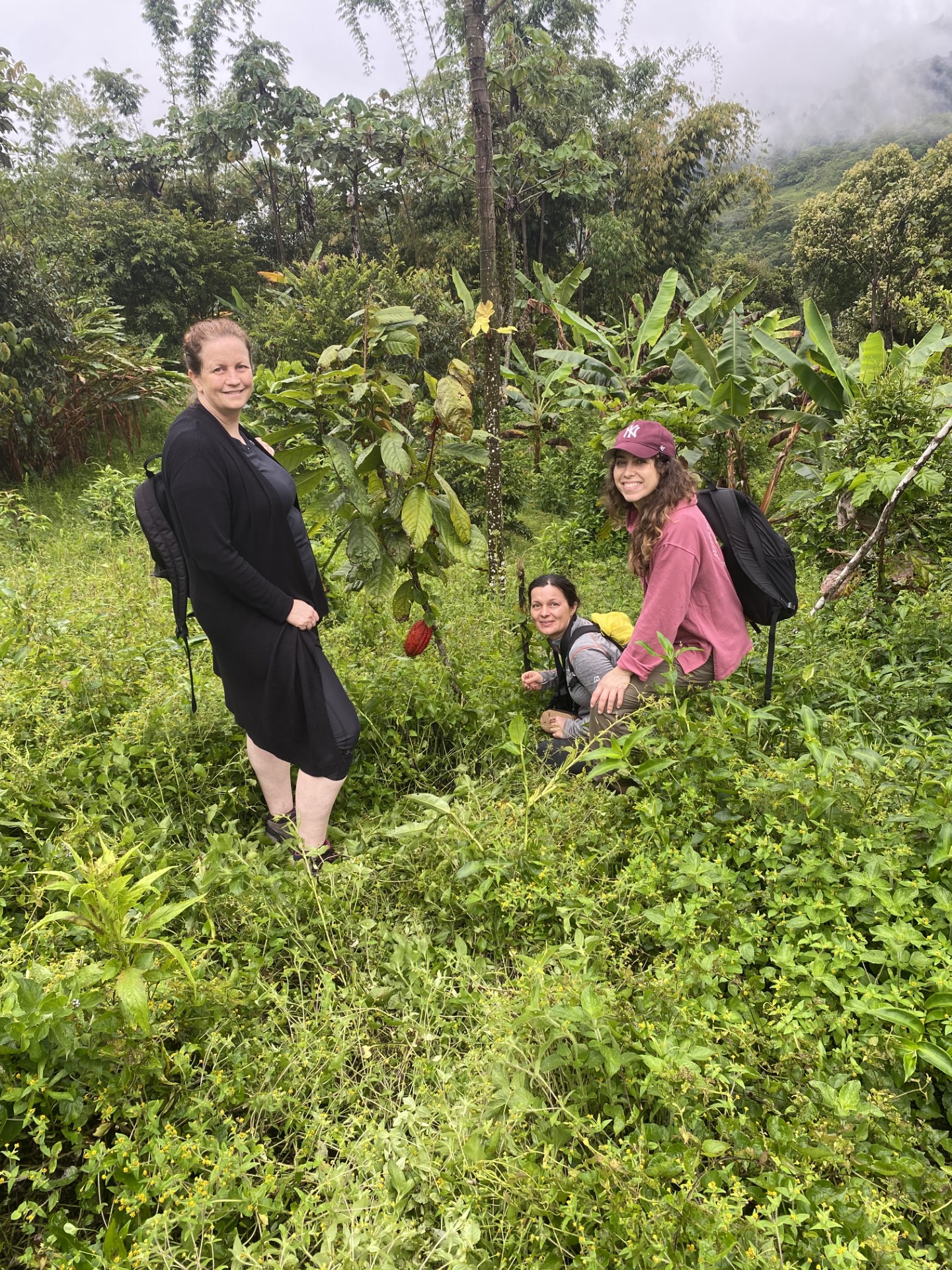
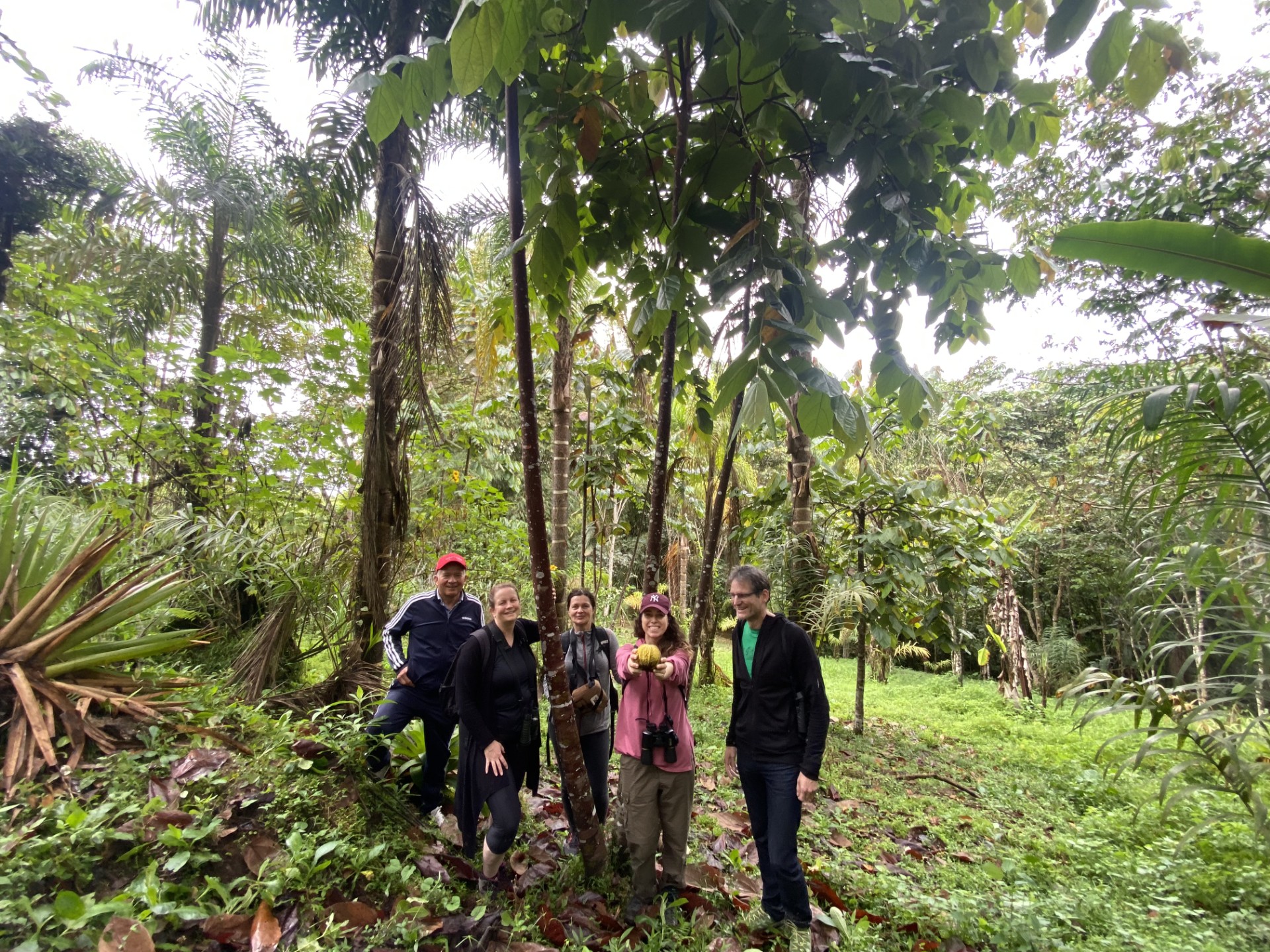
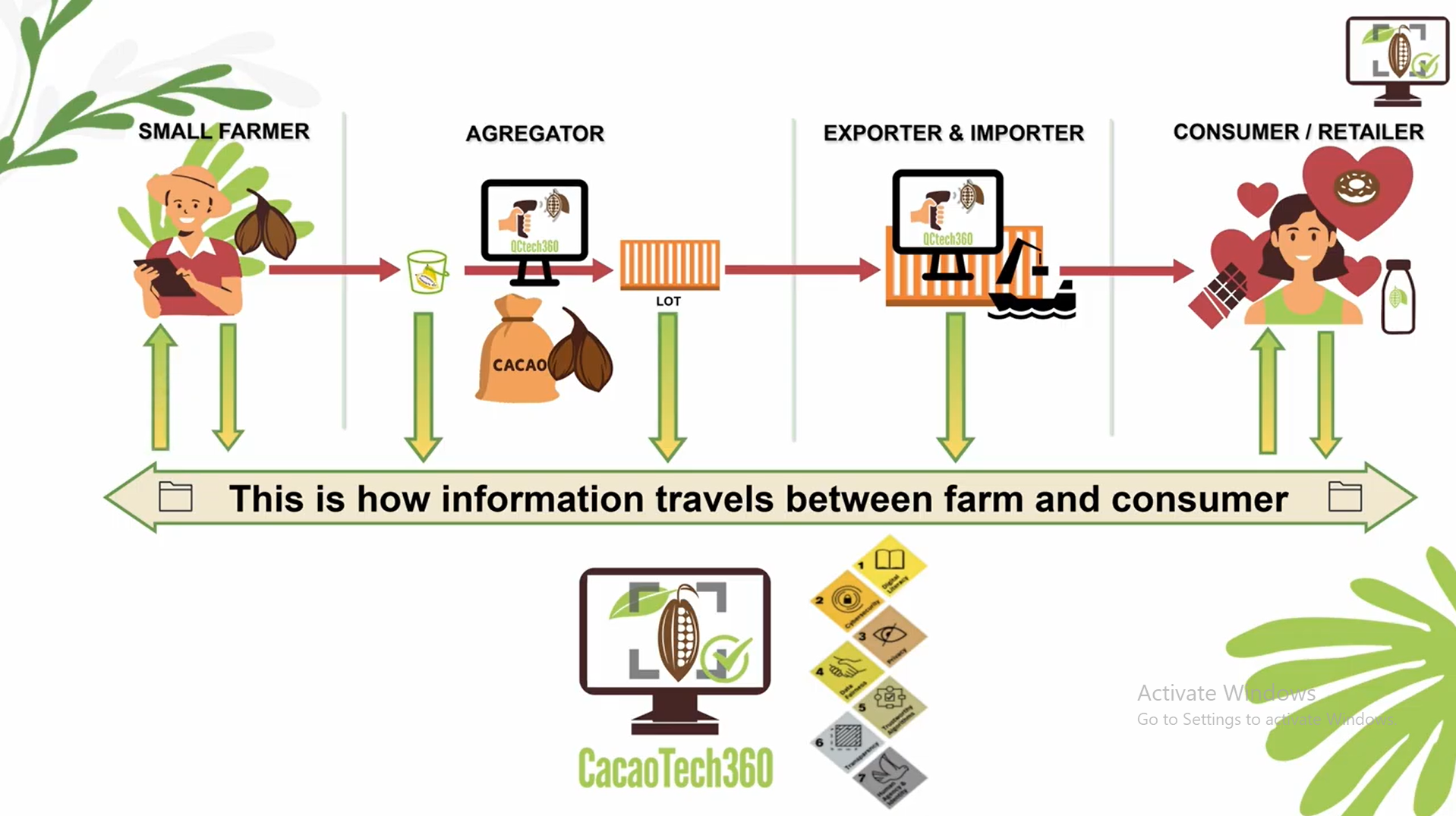
In cooperation with farmers and partners from the cocoa industry, the research team mapped the “Cocoa Journey“ during several field visits in Ecuador. Based on these insights, the team subsequently designed and tested digital systems that provide information on cocoa quality directly at the point of purchase, enabling its sharing across the entire value chain. These digital and traceability tools are among the few current solutions that simultaneously implement principles of data ethics (GDPR, FAIR, DRG).
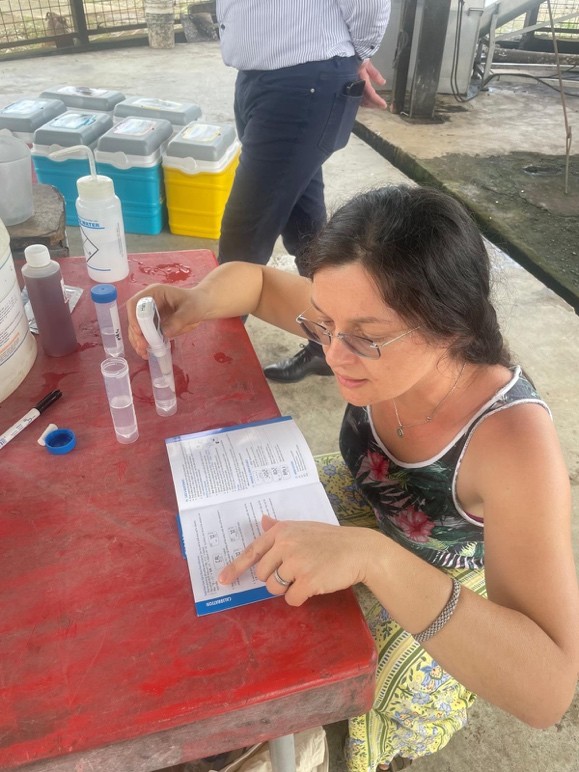
- Portable NIR (near-infrared) tool for cocoa quality control
This tool enables the direct assessment of cocoa bean quality at the point of purchase, under field conditions, and without requiring laboratory infrastructure. - Digital traceability system with implemented data ethics principles (GDPR, FAIR, DRG)
This system connects farmers, buyers, processors, and subsequent actors in the supply chain, enabling transparent information sharing in line with current and future EU requirements (e.g., EUDR and the Digital Product Passport). - Mobile central processing unit
Focused on the valorisation of cocoa fruit waste streams. It processes pulp and husks into additional products that can generate supplementary income for farmers.
Cacao-Tech is unique in that it is the first system in the cocoa industry to enable direct cocoa quality control at the farm level and to link it with traceability that meets the current and future requirements of European legislation (e.g. EUDR, DPP) (10). The central processing unit further enables the monetisation of cocoa pulp and husks, offering smallholder farmers opportunities for additional income derived from the produced quality while utilising waste.
Products from this value chain are distributed worldwide. Consumers thus gain access to information about production and can symbolically connect with the farmer whose produce they are tasting, for example, in the form of chocolate or cocoa juice.
The “Cocoa Journey” thus becomes a story of innovation within a traditional industry, holding the promise of more sustainable cultivation and a fairer market.
Authors: Mgr. Jana Kholová, Ph.D. / Ing. Jakub Landsmann / Ing. Karel Jílek
Sources:
- ConfectioneryNews. (2025, May 9). Cocoa supply chains shift: Why Latin America and Asia are key to stabilising global chocolate production.
- ScienceDirect. (2024). [Article on cocoa production and supply chain dynamics]. World Development, Advance online publication.
- Statista. (n.d.). Cocoa beans production volume by country in Latin America.
- Farmforce. (n.d.). The rise of Latin America in the global cocoa market: Opportunities and challenges.
- ScienceDirect. (2023). [Article on sustainability and governance in cocoa supply chains]. Journal of Rural Studies, 98, 1–12.
- Solidaridad Network. (n.d.). Are cocoa farmers achieving a living income in Latin America?
- LSE Research Forum. (2024). Adding value to coffee and cacao in Latin America.
- Emlyon business school. (n.d.). Inequity: The guilty and not-so-hidden side of cocoa supply chains.
- Inter-American Development Bank Group. (n.d.). Latin America’s future value chains smell like chocolate.
- Ethic. (n.d.). Back to its roots: The future of chocolate lies in Latin America.